
Best Shopify B2B Examples: Real Success Stories That’ll Transform Your Wholesale Business
The B2B ecommerce world is booming. We’re talking about a $32 trillion market that’s five times bigger than regular consumer shopping. That’s a massive opportunity you can’t ignore. More businesses are moving from phone orders to self-service online stores. Shopify has become the leading platform for companies selling to both consumers and businesses. But B2B success requires more than just putting products online. Business buyers need personalized experiences, custom pricing, and streamlined processes that consumer sites don’t offer. Let’s dive into 19 real Shopify B2B examples success stories that show exactly how leading brands are crushing it in wholesale ecommerce.
Why B2B Ecommerce Is Growing
Before we jump into the examples, let’s get clear on what makes B2B special. When businesses buy from other businesses, everything changes.
Business buyers often involve multiple people in purchasing decisions. They need negotiated pricing, payment terms like net-30, and bulk order capabilities. The sales cycles are longer, but the order values are much higher.
Here’s what makes B2B buyers tick:
- They want to research and buy on their own schedule
- They need detailed product specs and pricing transparency
- They expect personalized catalogs and custom pricing
- They value long-term relationships over one-time purchases
With 80% of B2B sales interactions now happening online, companies that nail the digital experience are winning big.
Core Shopify B2B Features That Drive Results
Shopify’s B2B platform lets you run wholesale and direct-to-consumer operations from the same back-end. Here are the key features that make it work:
- Company Profiles: Set up multiple contacts, custom price lists, and payment terms for each business customer. No more duplicate data or confused orders.
- Password-Protected Portals: Give your wholesale customers their own login area where they can place orders, view history, and manage their account without calling you.
- Custom Pricing: Create different price lists for different customers. Your biggest clients get the best deals, automatically.
- Minimum Order Rules: Set minimums and quantity breaks that make sense for your business model.
- Automated Workflows: Use Shopify Flow to send reorder reminders, process approvals, and handle routine tasks without manual work.
Now, let’s see how real companies use these features to build successful B2B operations.
19 Shopify B2B Examples of Success
1. Chocomize: SEO That Drives Corporate Gifting
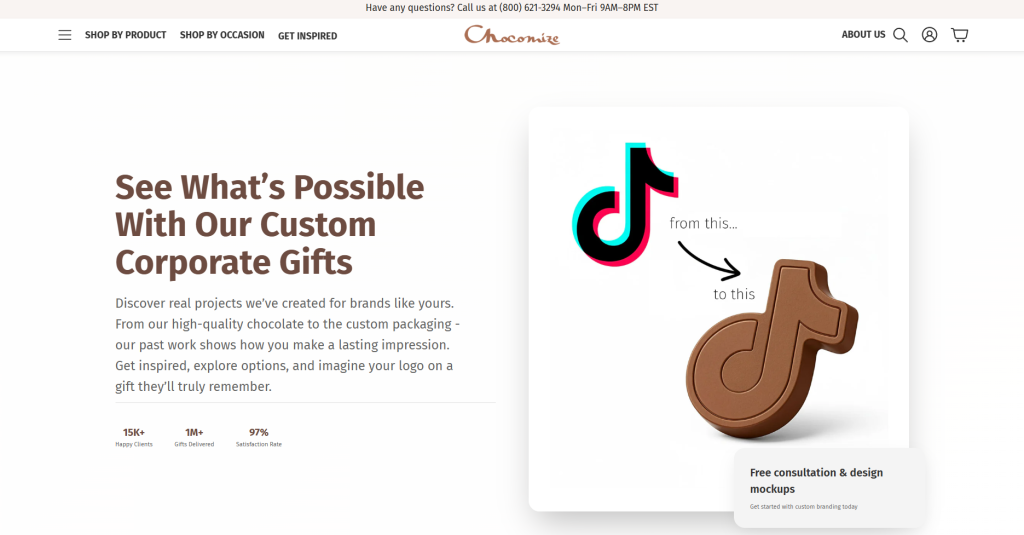
Chocomize makes custom chocolates for companies. They figured out that businesses search differently than people buying chocolate for themselves. So they optimized their site for terms like “custom corporate chocolate” instead of “delicious chocolate.”
Their homepage is designed for HR managers planning events, not chocolate lovers. You can search by occasion (holiday party, client appreciation) and budget, which is exactly how corporate buyers think.
The takeaway: SEO drives high-intent B2B traffic. Optimize for business-specific keywords and tailor navigation around buyer needs.
2. Beard & Blade: Shopify B2B Examples for Retail and Wholesale
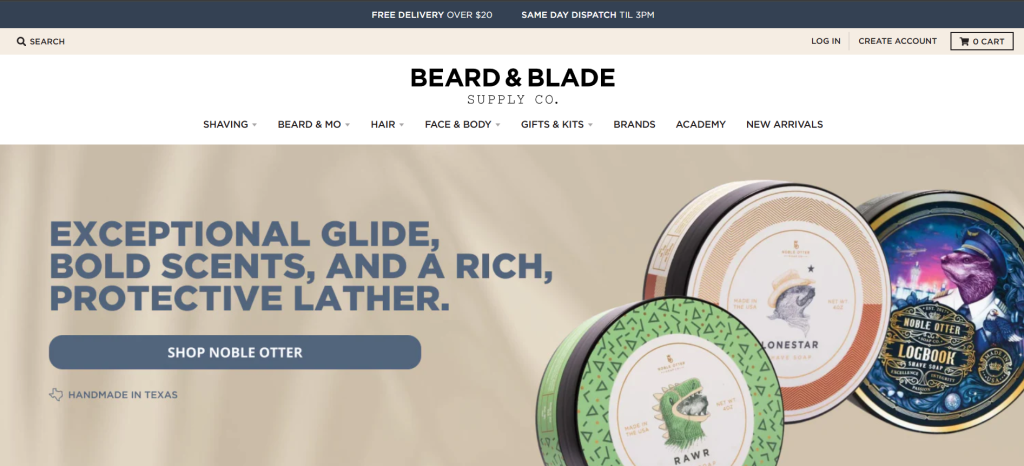
This Australian grooming brand had separate systems for consumer and wholesale operations. After switching to Shopify Plus, they unified everything into one platform with a password‑protected wholesale portal.
The results? Wholesale revenue increased by 100% within a year, and wholesale average order value reached about $296 – roughly five times higher than their $49 retail AOV.
The takeaway: Unified operations reduce complexity and costs. When your data lives in one place, you can optimize both channels more effectively.
3. Laird Superfood: From Phone Orders to Digital Success
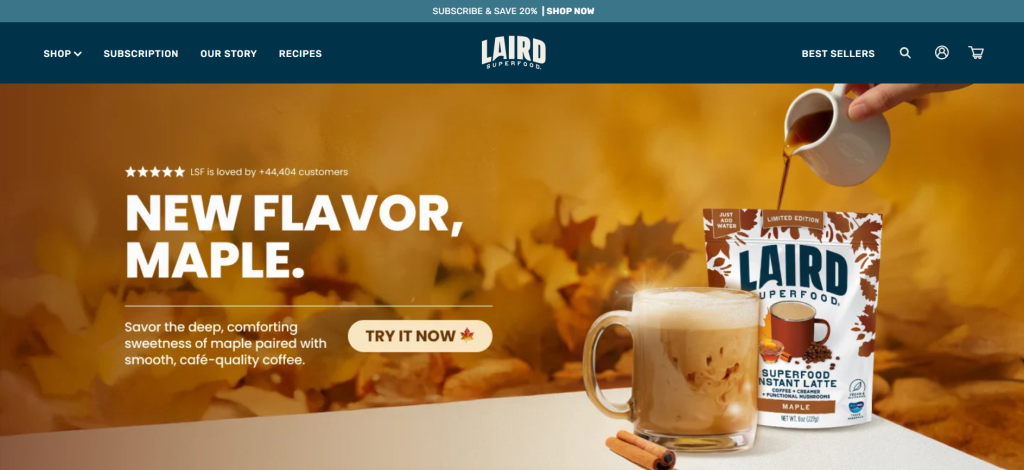
Laird Superfood was taking wholesale orders by phone, which was expensive and limited scalability. They switched to a password-protected Shopify portal and saved $50,000-$60,000 annually while growing wholesale from 25% to 75% of total revenue.
Self-service ordering freed up staff to focus on growth instead of order processing.
The takeaway: Digital portals eliminate manual work and capture valuable customer data for future marketing.
4. Filtrous: Quick Migration, Big Results
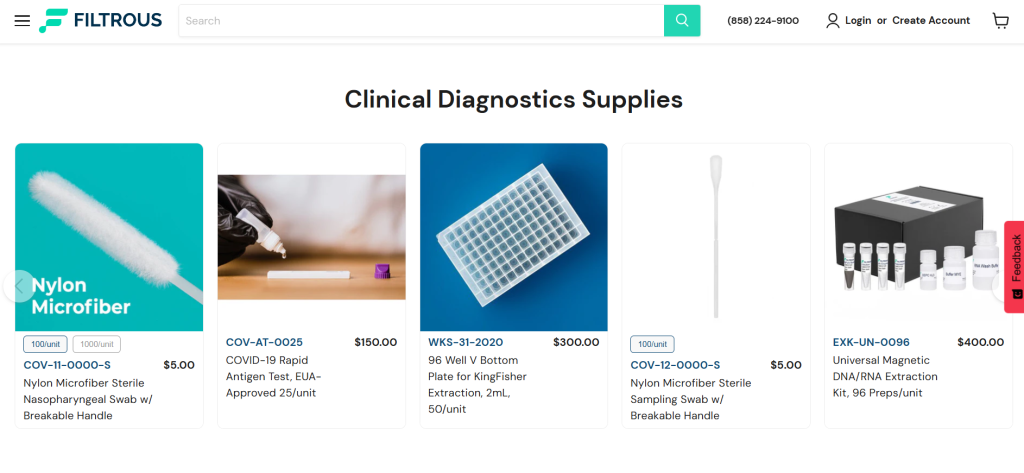
Laboratory supply company Filtrous was stuck on an inflexible platform with poor user experience. They migrated to Shopify in just 63 days and saw organic conversion rates jump 27%.
The streamlined interface saved customer service 10 hours per week and the sales team 2 hours, allowing both teams to focus on higher-value activities.
The takeaway: The right platform choice delivers immediate results. Poor site performance kills conversions.
5. DAISO: Managing 76,000 SKUs Across Channels

The Japanese retailer DAISO launched a Shopify site for smaller B2B orders while integrating data across their 76,000 SKU catalog and physical stores.
They use buy-online-pickup-in-store options and automated shipping calculations. The unified inventory system ensures accuracy across all channels.
The takeaway: Large retailers can use Shopify to manage both B2C and B2B while maintaining accurate inventory everywhere.
6. Who Gives A Crap: Global Expansion Made Simple
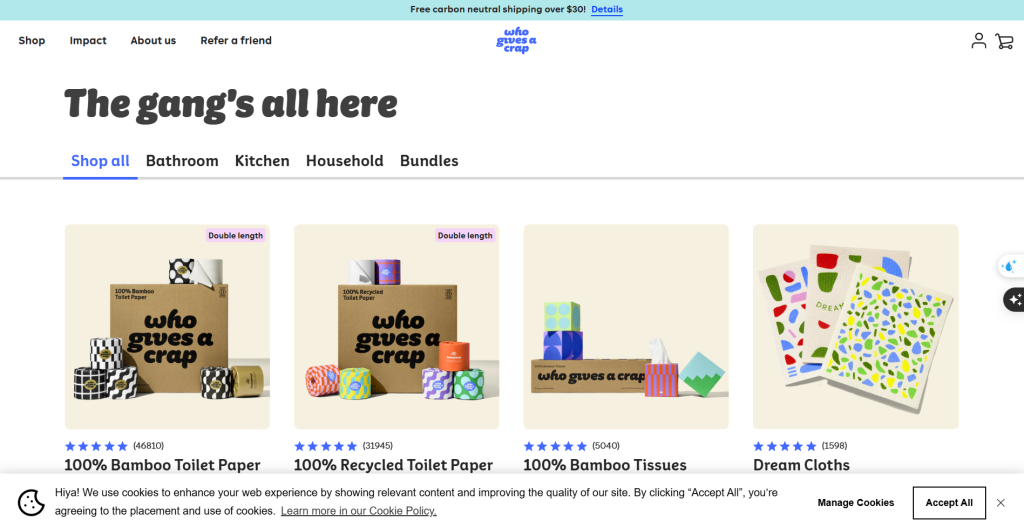
This eco-friendly toilet paper company created expansion stores for different markets (US and UK) while using one unified admin system.
Shopify Flow automates inventory planning, which helps them handle pandemic demand surges. These optimizations contributed to a 15% increase in conversion rates and 20% rise in customer lifetime value.
The takeaway: Expansion stores help you customize for regional markets without operational complexity.
7. TileCloud: Checkout Optimization Drives Growth
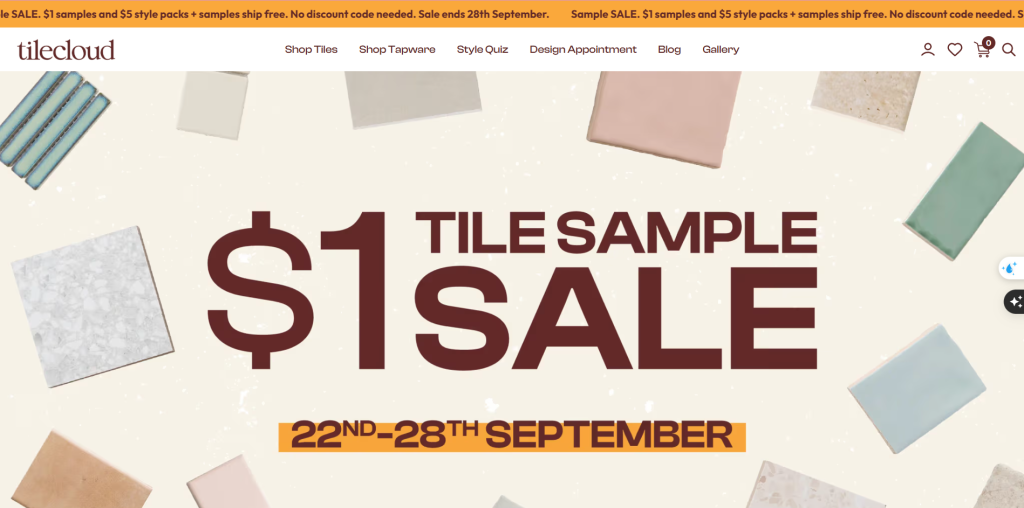
Australian retailer TileCloud used Shopify Functions to customize checkout with automatic discounts and leveraged detailed reporting for better customer insights.
The result? A 24% expansion of their B2B customer base with increased average order values and conversion rates.
The takeaway: Fine-tuning checkout for B2B buyers with tiered discounts significantly boosts engagement.
8. The Somewhere Co.: Rapid Catalog Management
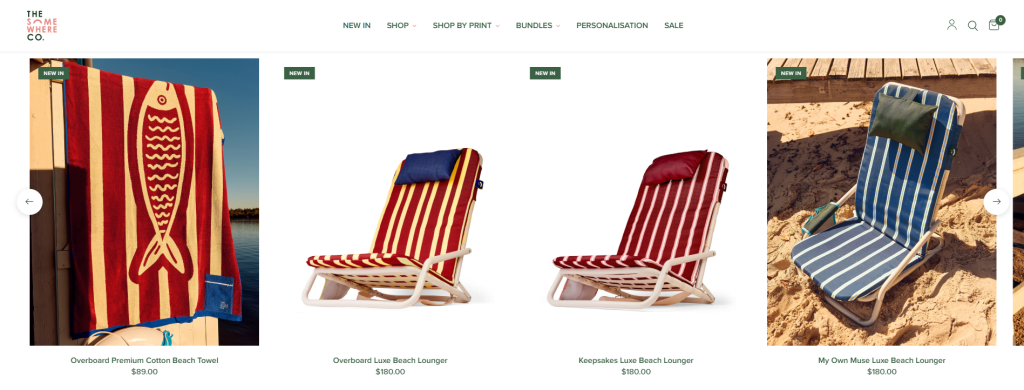
This Australian lifestyle brand revamped their B2B site in just two months. Quick-add functionality lets stockists rapidly add core products, and hovering over items reveals wholesale and retail prices.
During one product launch, they added over 220 new SKUs in under 5 minutes. Integration with Klaviyo automatically adds new B2B customers to email marketing.
The takeaway: Efficient catalog management and marketing tool integration streamline wholesale operations.
9. SodaStream: International B2B Scaling
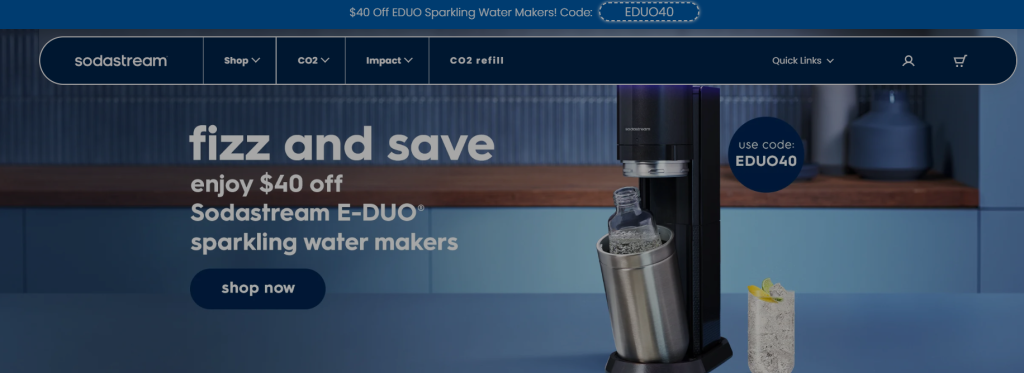
SodaStream used Shopify to unify disparate ecommerce systems and serve both B2B and consumer markets. Within four years, they expanded to 16 websites in 15 countries.
The takeaway: Unified platforms simplify international expansion while keeping operations manageable.
10. DARCHE: Real-Time Inventory Builds Trust
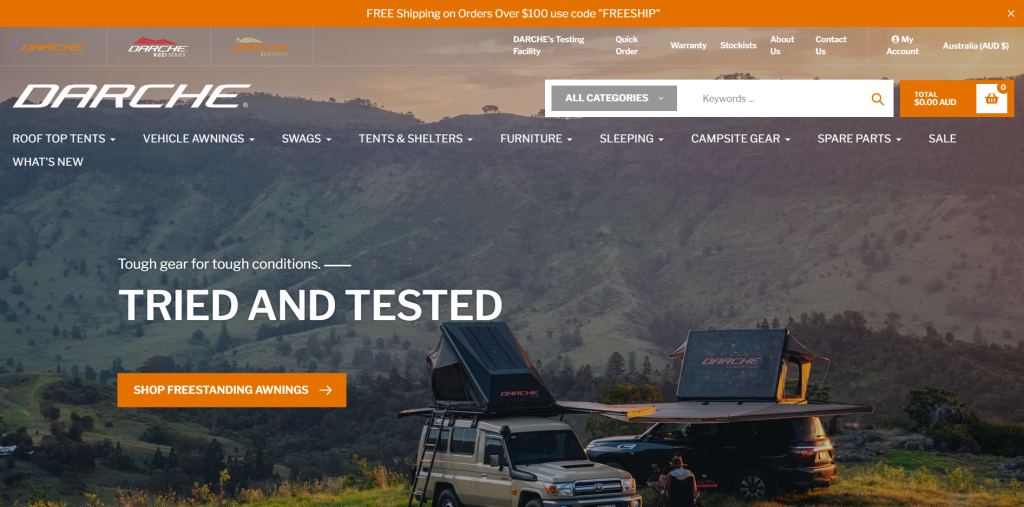
Australian outdoor brand DARCHE replaced a clunky B2B portal with a modern Shopify store featuring company profiles, custom catalogs, and personalized price lists.
Real-time stock visibility allowed both DARCHE and customers to track inventory accurately. They achieved their 12-month sales goal in just four months with a 59% increase in web traffic.
The takeaway: Real-time inventory visibility builds wholesale buyer confidence and drives faster purchasing decisions.
11. Brooklinen: Automation Frees Up Human Time
Luxury linen brand Brooklinen created a B2B store that mirrors their consumer site’s look. They automate reorder emails based on each buyer’s average time between orders.
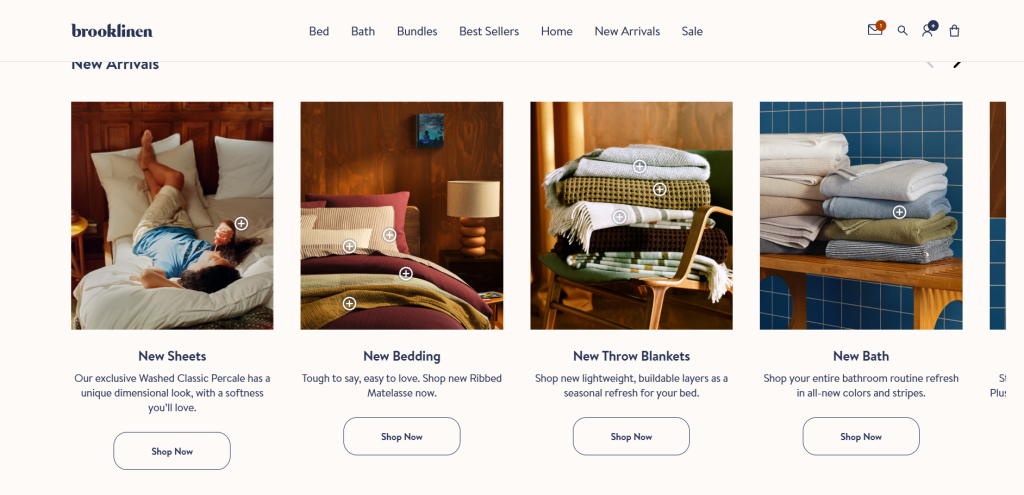
This automation means staff spend 80% of their time working directly with customers instead of processing routine orders.
The takeaway: Smart automation improves customer relationships by freeing humans for high-value interactions.
12. AMR Hair & Beauty: Speed Kills Cart Abandonment
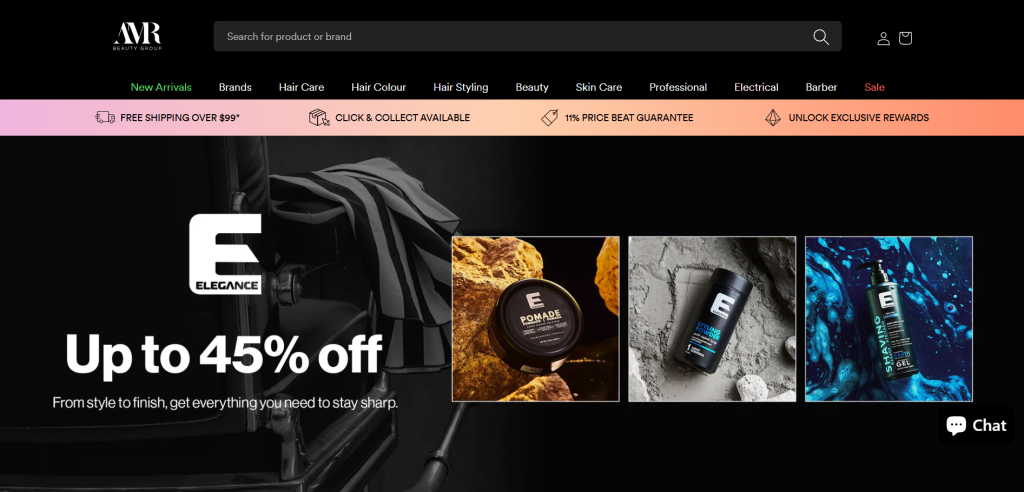
AMR Hair & Beauty migrated from WordPress/WooCommerce to Shopify in September 2023. Their old site had slow page loads and crashed during peak periods.
After switching, site speed and session duration increased. With improved search and filtering, B2B buyers found products faster. Results: 77% rise in B2B average order value and 93% growth in conversion rate.
The takeaway: Site speed directly impacts B2B conversions. Slow sites drive away business buyers who have limited time.
13. ScaleTrains: Scarcity Marketing for Collectors
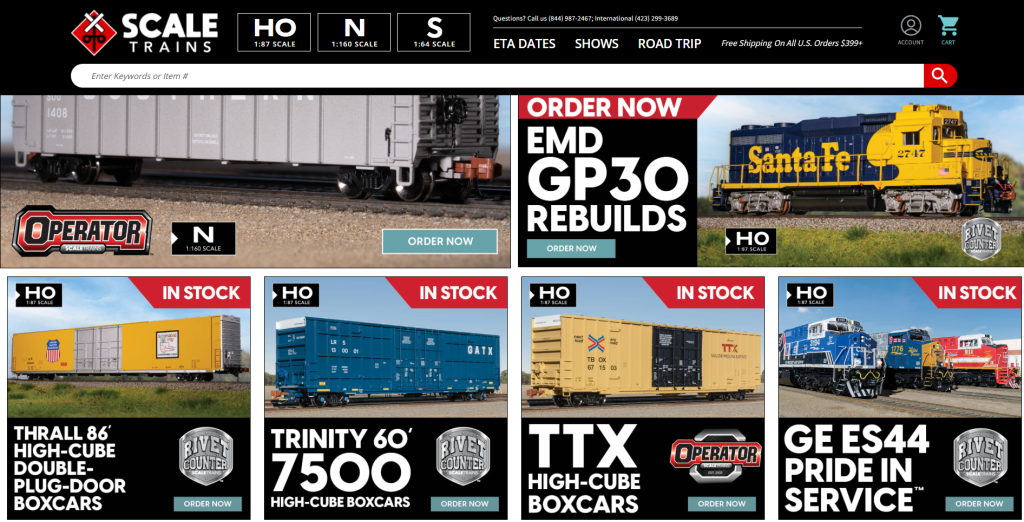
Model train manufacturer ScaleTrains uses scarcity tactics, labeling items “Extremely Limited” or “Rare.” This appeals to collectors and hobby shop owners motivated by exclusivity.
They dedicate a page to product availability, managing expectations while creating urgency.
The takeaway: Scarcity marketing works in B2B when your buyers are motivated by exclusivity or limited availability.
14. eJuices: Specialized Networks Need Strong Infrastructure
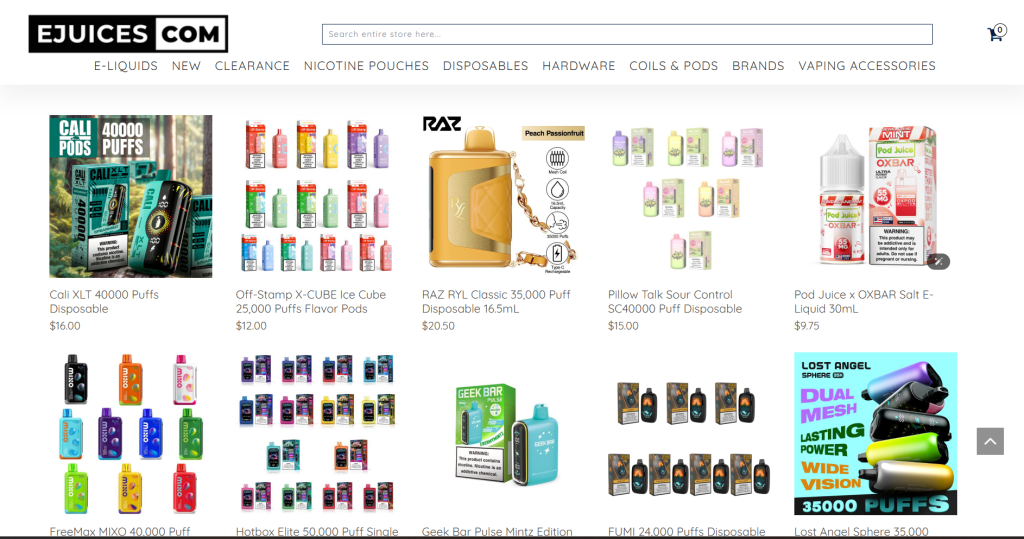
Tobacco and vaping supplier eJuices operates a large B2B network supporting retail partners. They highlight inventory availability and maintain a robust website infrastructure to handle high traffic.
The takeaway: B2B networks selling specialized products need strong technical infrastructure and clear inventory communication.
15. Nicotine River: Security and Differentiation
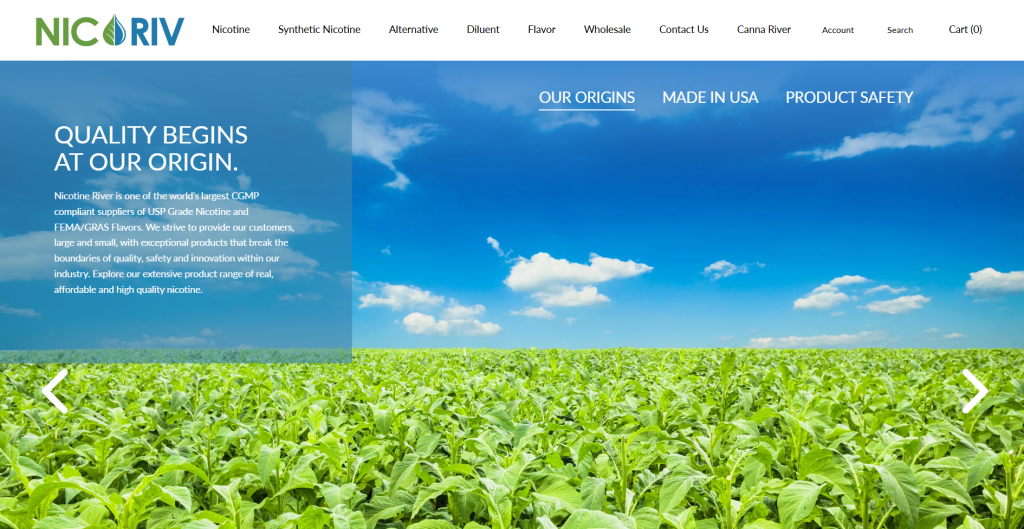
This vaping supplier focuses on product differentiation and invests heavily in cybersecurity to reassure corporate customers who value privacy and security.
They encourage user‑generated content and social proof, a tactic that studies suggest can increase conversion rates by up to 166% when shoppers see UGC alongside products.
The takeaway: Regulated industries need extra security measures, and user-generated content can drive B2B engagement.
16. Russell Hendrix: Shopify B2B Examples
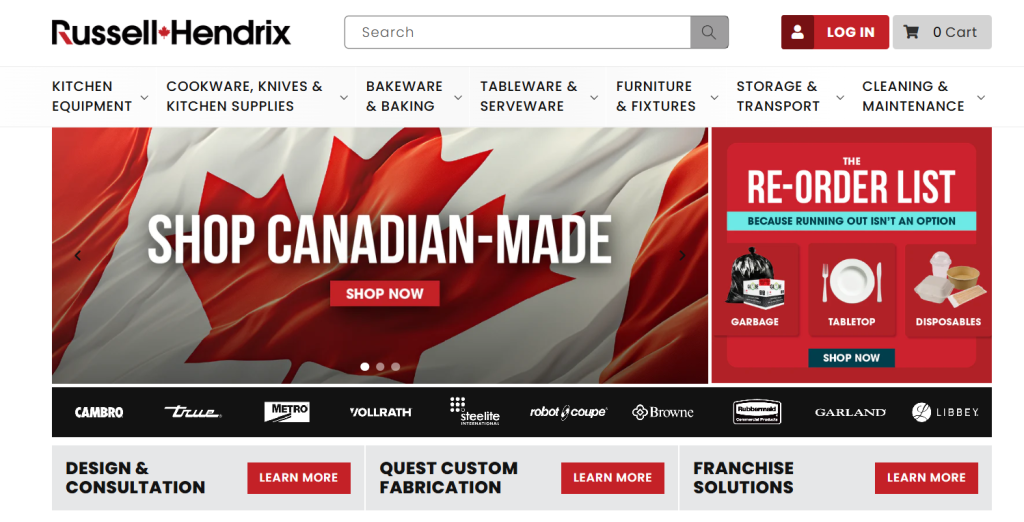
Russell Hendrix is one of Canada’s biggest foodservice equipment suppliers, working with restaurants, hotels, and commercial kitchens. They moved from an old B2B system to Shopify to better manage contract pricing, large product catalogs, and business customer accounts.
After launching their new Shopify B2B store, online B2B orders grew by 43% within a year, while revenue increased by 24%. More customers started placing orders digitally instead of using manual processes.
The takeaway: Even traditional industries can see strong growth by moving to a modern B2B ecommerce experience with self-service ordering and easier account management.
17. ULE Group: Managing Large-Scale B2B Commerce
ULE Group is an industrial distributor with a huge product catalog and plans to scale to nearly 1 million SKUs. They rebuilt their ecommerce system on Shopify and connected it with their ERP and PIM systems to better manage inventory, pricing, and customer accounts.
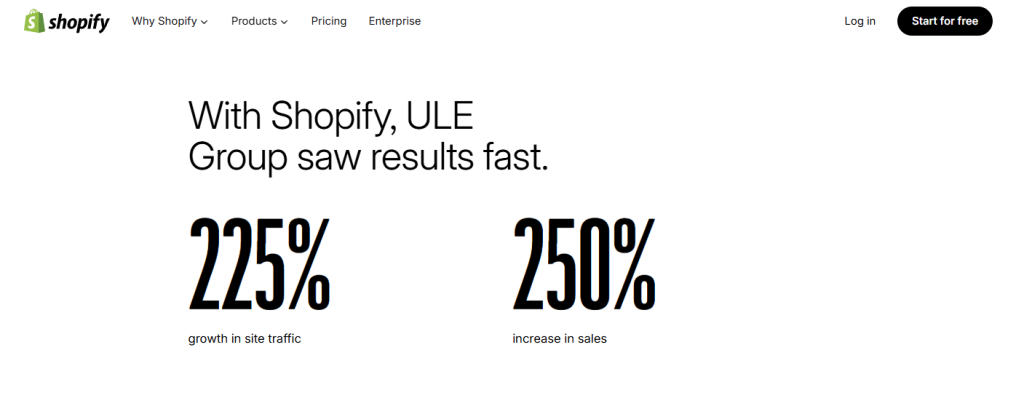
Their Shopify setup now supports complex B2B needs like customer-specific pricing, account-based catalogs, and real-time inventory updates – all managed in one place as the business continues to grow.
The takeaway: Shopify can handle enterprise-level B2B operations, including massive catalogs, ERP integrations, and advanced pricing structures, without needing a fully custom system.
18. V’s Barbershop: Combining Retail, Services, and Wholesale
V’s Barbershop offers both in-person barbering services and product sales. They also sell grooming products to wholesale partners. By moving to Shopify and integrating with DigitalJAS, they created one system for retail customers, appointment booking, and B2B ordering.
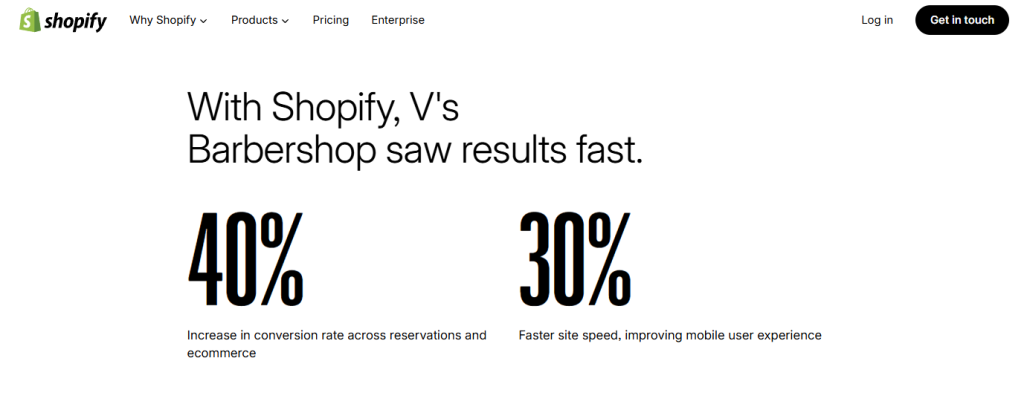
Now, wholesale buyers and barbershop partners can order products through the same platform used by direct customers, making inventory management and pricing much easier.
The takeaway: Businesses that combine services, retail, and wholesale can use Shopify to simplify operations and create a more connected customer experience.
19. Saddleback / Distributor Portal: Building a Better Wholesale Experience
Saddleback needed a dedicated B2B portal for dealers, with features like custom pricing, credit terms, and faster repeat ordering. They launched a custom Shopify Plus wholesale store that included dealer-only content, personalized pricing, and custom credit applications.
The results were impressive. Just one month after launch, website traffic increased by 704% and online sales grew by 881%, while conversion rates stayed much higher than industry averages. The project later won “B2B Website of the Year” at the UK Digital Growth Awards.
The takeaway: A well-designed B2B portal with custom pricing, dealer tools, and streamlined ordering can become a major revenue driver for wholesale businesses.
QuoteSnap Request A Quote & Hide Price: Your Secret Weapon for B2B Success
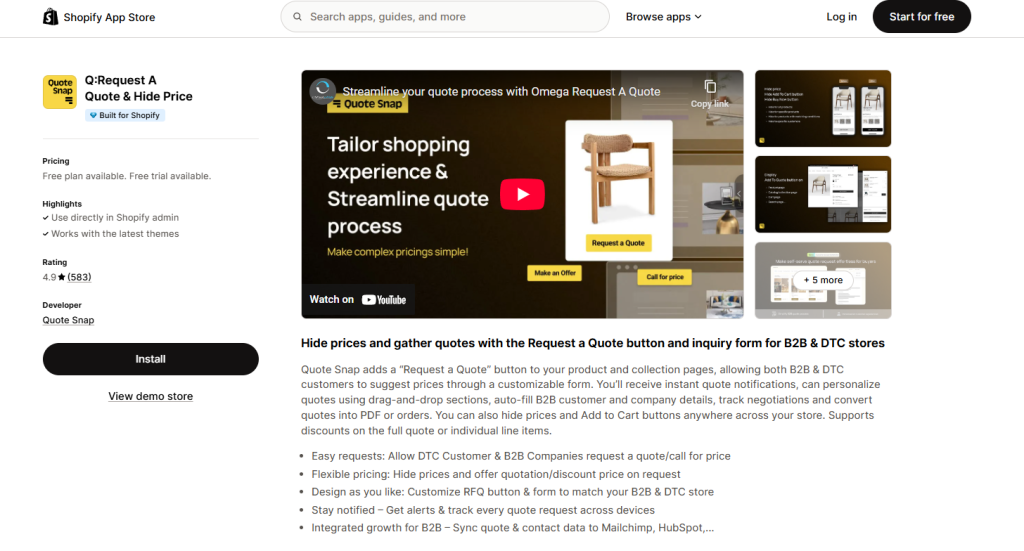
Most successful Shopify B2B examples share one thing: they make it easy for business customers to get custom pricing. QuoteSnap Request A Quote & Hide Price helps any Shopify store do this automatically.
Business customers need to negotiate prices, get bulk discounts, and discuss custom requirements. Regular “Add to Cart” buttons don’t handle any of this. And this app helps replace “Add to Cart” with “Request a Quote.” Business customers fill out a form with their needs, you get notified, and you send back custom pricing.
Key features:
- Hide retail prices from wholesale customers
- Collect specific requirements through custom forms
- Manage all quotes in one dashboard
- Convert approved quotes directly to orders
Instead of losing customers who see prices that don’t apply to them, you capture their information and send personalized quotes. This leads to more qualified leads, better conversion rates, and stronger customer relationships.
QuoteSnap has a free plan, so try now to transform your store into a B2B-friendly experience that business customers expect.
The B2B Opportunity Is Now
B2B ecommerce isn’t just growing – it’s exploding. The companies featured in these examples prove that Shopify can handle everything from small wholesale operations to enterprise-level B2B networks. The key is understanding that B2B buyers have different needs than consumers. They want personalized experiences, flexible pricing, detailed product information, and streamlined processes. The question isn’t whether B2B ecommerce will continue growing – it’s whether you’ll be part of that growth. Check out those 19 Shopify B2B examples and start today!
