
Shopify D2C: How DTC Brands Thrive in 2026
The retail landscape has shifted dramatically. More brands are cutting out the middleman and selling directly to their customers. This approach, known as direct-to-consumer or Shopify D2C, has become a game-changer for businesses of all sizes.
If you’ve been thinking about launching your own brand or taking your existing business direct-to-consumer, you’re in the right place. This guide breaks down everything you need to know about building a successful Shopify D2C brand on Shopify in 2025.
What Exactly Is DTC?
DTC stands for direct-to-consumer. It’s a simple idea: companies sell their products straight to you, the customer. No stores in between. No middlemen taking a cut.
Here’s how it works in everyday terms:
Traditional way: Company makes product → Sells to wholesaler → Wholesaler sells to store → Store sells to you
DTC way: Company makes product → Sells directly to you
Think about it like this: Instead of buying Nike shoes at Foot Locker, you’d buy them straight from Nike’s website. Instead of getting razors at the drugstore, you order them directly from the razor company.
Some famous examples include:
- Warby Parker (glasses sold online instead of at eye doctor offices)
- Dollar Shave Club (razors delivered to your door)
- Casper (mattresses shipped in a box)
These brands skipped traditional stores completely. They built websites, shipped products themselves, and talked directly to their customers.
You’ll see this written in two ways: “DTC” or “D2C.” Both mean the exact same thing. Different people prefer different abbreviations, but the concept remains identical.
Shopify DTC vs B2C: What’s the Difference?
What the Terms Mean
B2C (Business-to-Consumer)
Selling products to individual end customers through standard retail channels — this includes online stores, marketplaces, social commerce, and potentially third-party retail partnerships.
→ Focuses on selling to consumers, regardless of channel.
Example: Sarah makes candles. She sells them on her website, Etsy, Amazon, and at local gift shops. Customers can find her candles everywhere, but she doesn’t always know who bought what or why.
D2C (Direct-to-Consumer)
A specific type of B2C where you sell directly to the end customer without intermediaries.
→ You own the relationship, the data, and the buying experience.
Example: Mike makes beard oil. He only sells on his website. When someone buys, he gets their email, learns what scents they like, and can send them special offers. He knows his customers by name.
All D2C is B2C, but not all B2C is D2C. D2C is just a specific type of B2C where you cut out all the middlemen.
What’s Actually Different?
| B2C | D2C | |
| Where you sell | All over the place | Your own store |
| Who owns customer info | Sometimes you, sometimes not | Always you |
| Who controls the experience | Depends on the platform | You do |
| How much you keep | Less (everyone takes a cut) | More (no middlemen) |
| Customer connection | Through other platforms | Direct line to customers |
So Which One Should You Pick?
Choose D2C when:
- You really care about building a community around your brand
- Your products are the kind people buy over and over (coffee, skincare, supplements)
- You’d rather have 1,000 loyal fans than 10,000 random customers
Choose Multi-Channel B2C when:
- You’re just starting and need people to find you fast
- You want to test what sells before going all-in
- Getting in front of lots of people matters more than owning the relationship
The honest truth? Most successful brands end up doing both. For example, they use Amazon and social media to get discovered, then work hard to turn those customers into direct buyers on their own website.
Start where it makes sense for you right now. You can always change your approach as you grow.
Why D2C Matters More Than Ever
The numbers tell a compelling story. US D2C sales are expected to hit $186 billion in 2025, showing just how much this model has grown. But it’s not just about the money-it’s about control.
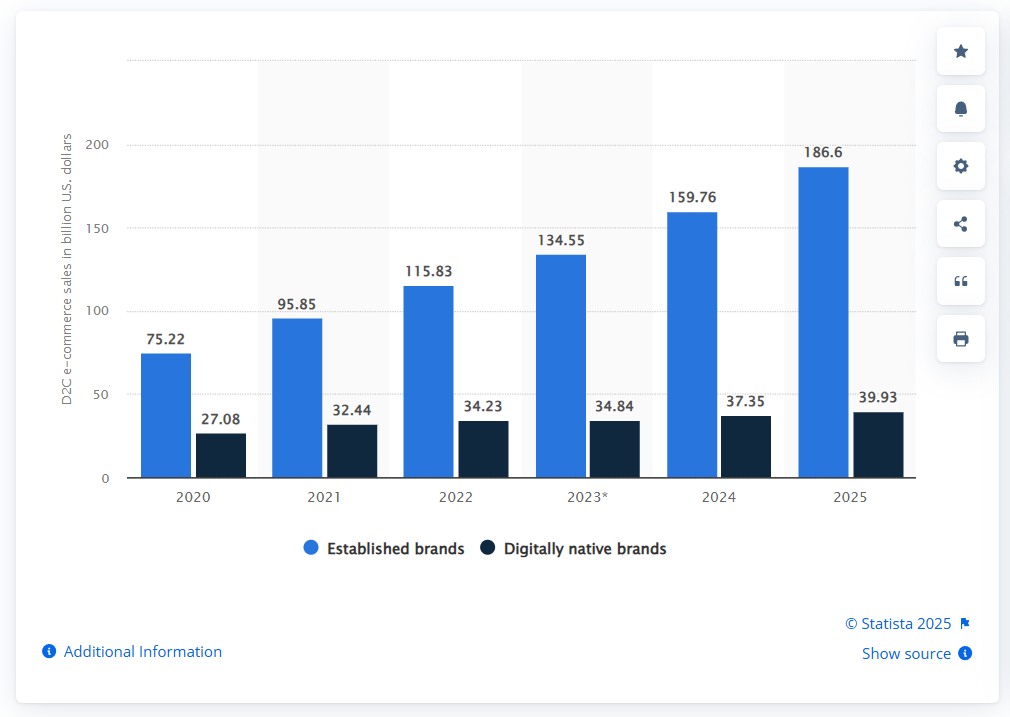
When you sell direct-to-consumer, you control your brand story, your customer relationships, and your profit margins. You decide how your products are presented, what they cost, and how they’re shipped. No retailer can change your messaging or discount your products without permission.
This control becomes especially valuable when you consider customer data. In a D2C model, you own all the information about who’s buying from you, what they like, and how they interact with your brand. This data helps you make better products and create more targeted marketing campaigns.
Top Apps for Shopify D2C Merchants
Direct-to-Consumer (D2C) brands on Shopify grow by owning the customer relationship, controlling the brand experience, and maximizing customer lifetime value. The right app stack helps merchants increase conversions, boost AOV, and retain customers – without relying on third-party marketplaces.
Here are some of the top Shopify apps every D2C merchant should consider, starting with a core app for pricing and promotions.
QuoteSnap Request A Quote & Hide Price
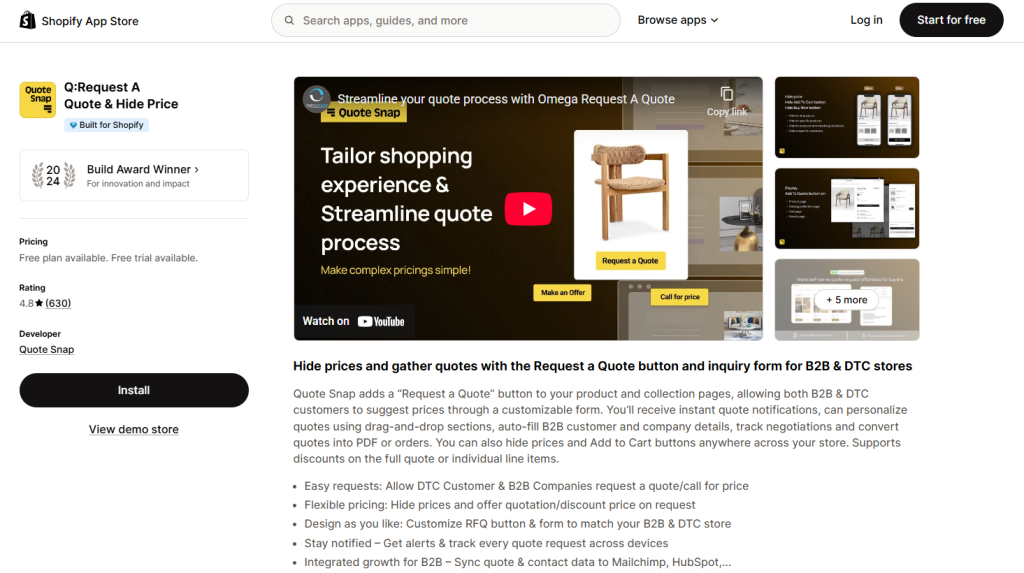
Q: Request A Quote & Hide Price allows Shopify merchants to hide product prices and add a “Request a Quote” or “Call for Price” button to their store. Instead of forcing a one-size-fits-all price, this app delivers pricing flexibility without sacrificing conversion or operational efficiency – something many Shopify D2C merchants struggle with as they scale.
At its core, the app helps merchants sell products that don’t fit fixed pricing models while still staying fully native to Shopify.
Notably, this app was featured in the 2024 Shopify Build Awards – Spotlighting Favorite Apps of the Year, highlighting its strong product quality and merchant value.
Best for?
- D2C brands selling high-ticket, custom, or configurable products
- Merchants who want to hide prices to encourage inquiries
- Stores serving both D2C customers and B2B customers
- Brands offering bulk pricing, negotiated discounts, or made-to-order items
- Merchants transitioning from pure D2C toward hybrid D2C + B2B
Benefits
- Allows customers to request quotes instead of seeing fixed prices
- Hides prices and Add to Cart buttons on product pages, collections, and more
- Customizable RFQ button and form to match your brand
- Real-time notifications and quote tracking across devices
- Converts quotes into PDFs or Shopify draft orders
- Syncs quote and contact data with Mailchimp, HubSpot, and other tools
Klaviyo
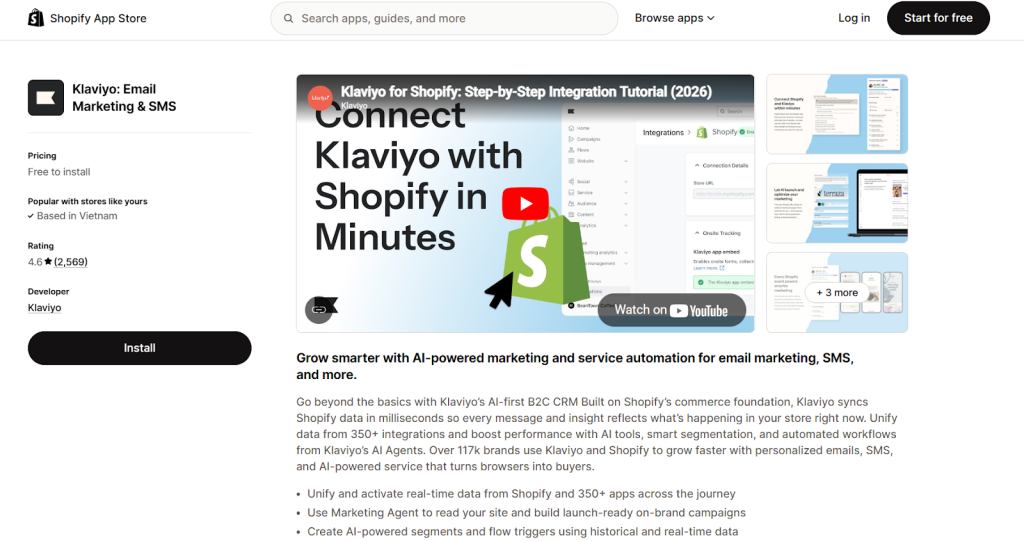
Klaviyo is a leading email and SMS marketing platform designed for eCommerce and D2C brands. It turns first-party customer data into personalized marketing flows that drive repeat purchases.
Best for?
- D2C brands focused on retention and lifecycle marketing
- Stores running email and SMS as core revenue channels
- Merchants needing advanced segmentation
Benefits
- Strong ownership of first-party data
- Powerful automation and flow builder
- Personalized messaging at scale
- Proven impact on customer lifetime value
Smile: Loyalty Program Rewards
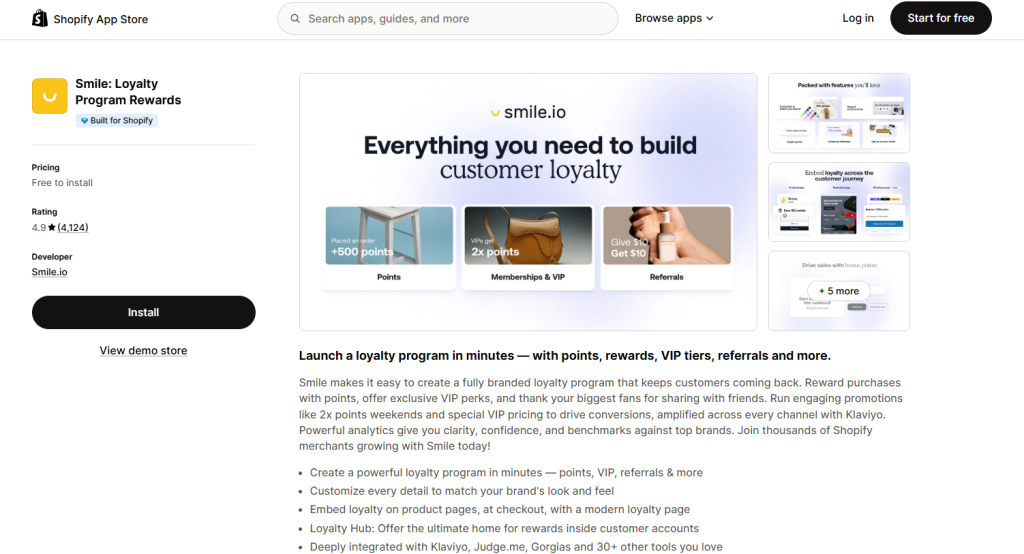
Smile.io helps D2C merchants build loyalty, referral, and VIP programs that reward customers for repeat purchases and engagement.
Best for?
- Brands with strong repeat-purchase behavior
- Merchants building long-term customer relationships
- D2C stores focused on brand community
Benefits
- Increases repeat purchases
- Encourages referrals and word-of-mouth growth
- Easy to launch and manage
- Integrates well with Shopify themes
Judge.me
Judge.me is a lightweight product reviews app that helps D2C brands build trust and credibility through customer reviews and user-generated content.
Best for?
- New or growing D2C brands
- Stores that rely on trust to convert
- Merchants wanting fast-loading review widgets
Benefits
- Boosts conversion with social proof
- SEO-friendly review markup
- Affordable pricing
- Supports photo and video reviews
Upsell.com ReConvert Bundles
ReConvert focuses on post-purchase upsells and thank-you page optimization, allowing D2C brands to increase revenue after checkout without disrupting conversion.
Best for?
- Merchants with consistent traffic
- Brands optimizing revenue per customer
- Stores running cross-sell or reorder strategies
Benefits
- Generates extra revenue post-checkout
- One-click upsells
- Custom thank-you page experiences
- No impact on checkout completion rate
For Shopify D2C merchants, success isn’t about installing more apps – it’s about choosing apps that directly support growth, retention, and brand ownership.
How To Launch A Shopify D2C Brand?
Step 1: Find Your Product and Customers
Figure Out What to Sell
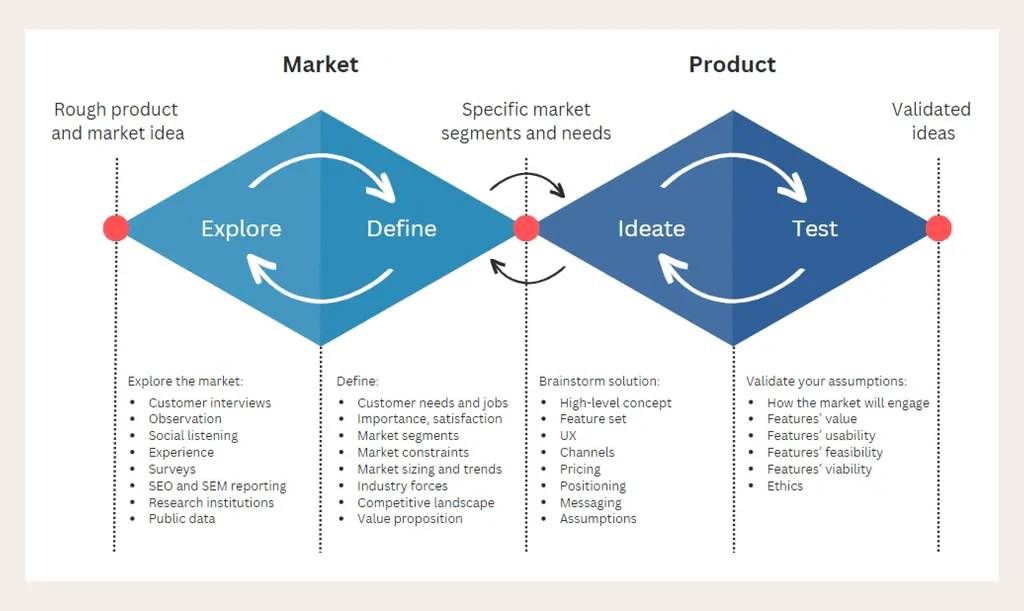
Don’t sell what you like – sell what people actually want to buy. Here’s how to find out:
- Look at what’s popular online (use Google Trends, check social media)
- See what competitors are doing well (and not so well)
- Ask potential customers what problems they have
- Use tools like Google Keyword Planner to see what people search for
Know Your Customers
Create a simple picture of who buys your product:
- How old are they?
- What do they care about?
- Where do they shop online?
- What problems does your product solve for them?
Test Your Idea
Before spending lots of money, make sure people actually want your product:
- Create a simple version or sample
- Show it to potential customers
- Ask for honest feedback
- Make changes based on what you learn
Step 2: Build Your Online Store
Pick Your Platform
Shopify is the easiest choice for beginners because:
- It’s simple to set up (no coding needed)
- It handles payments and security for you
- It has lots of helpful apps
- Customer support is excellent

Choose a Design
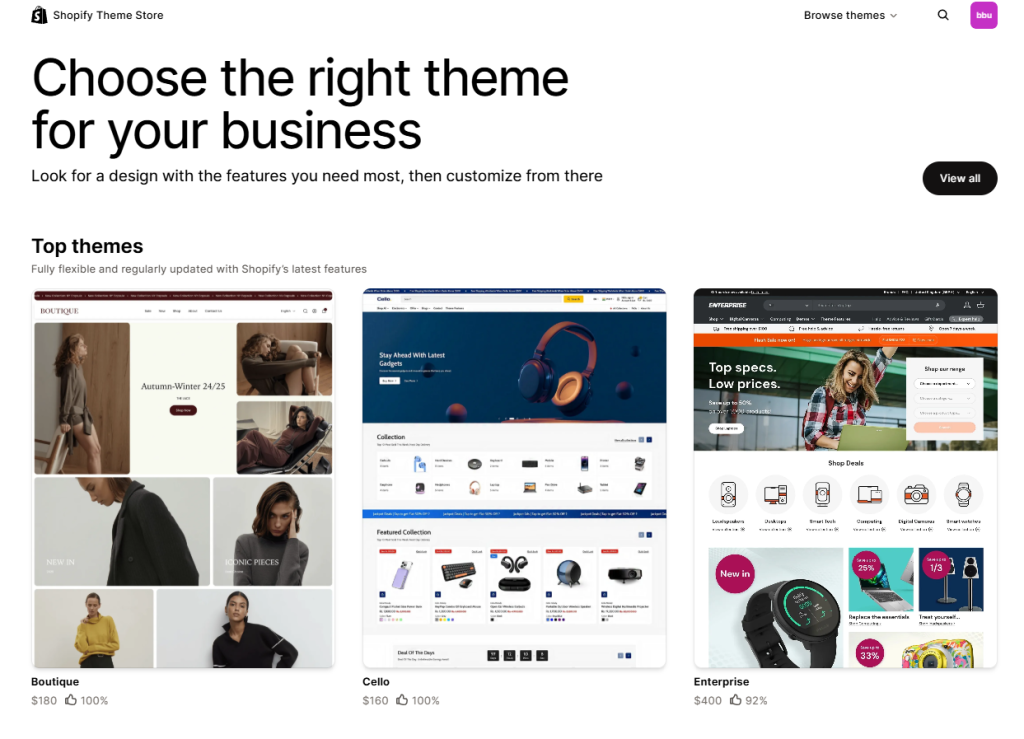
Shopify offers free themes that look professional:
- Dawn – Simple and fast (good for beginners)
- Origin – Stylish look (good for unique products)
- Sleek – Great for lots of products
- Zest – Works perfectly on phones
Pick one that matches your brand style. You can always change it later.
Step 3: Handle the Business Stuff
Manage Your Inventory
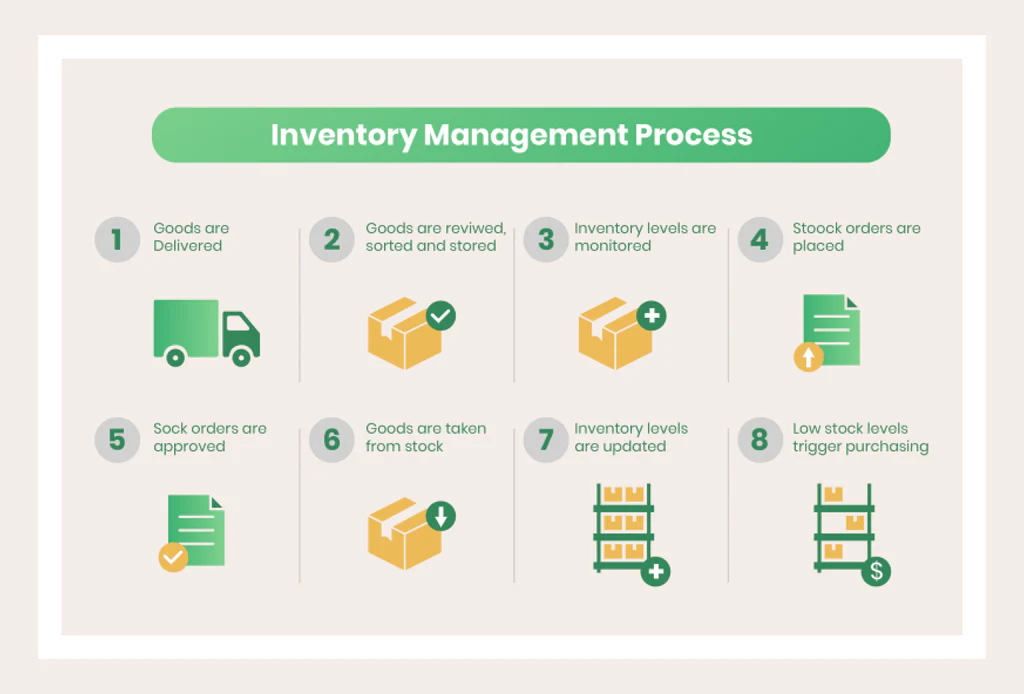
Keep track of what you have in stock:
- Use third-party apps to track everything automatically
- Set up alerts when you’re running low
- Have a plan for restocking quickly
Ship Orders Fast
Happy customers get their orders quickly:
- Use services to handle shipping
- Offer tracking numbers so customers know where their package is
- Consider using a fulfillment center if you don’t want to pack boxes yourself
Help Your Customers
Good customer service keeps people coming back:
- Answer questions quickly (same day if possible)
- Use tools to organize customer messages
- Be friendly and helpful, even when people are upset
Step 4: Get Customers and Make Sales
Tell People About Your Store
- Post on social media where your customers hang out
- Send emails to people who sign up for your newsletter
- Work with influencers whom your customers trust
- Write helpful blog posts that show up in Google searches
Sell More to Each Customer
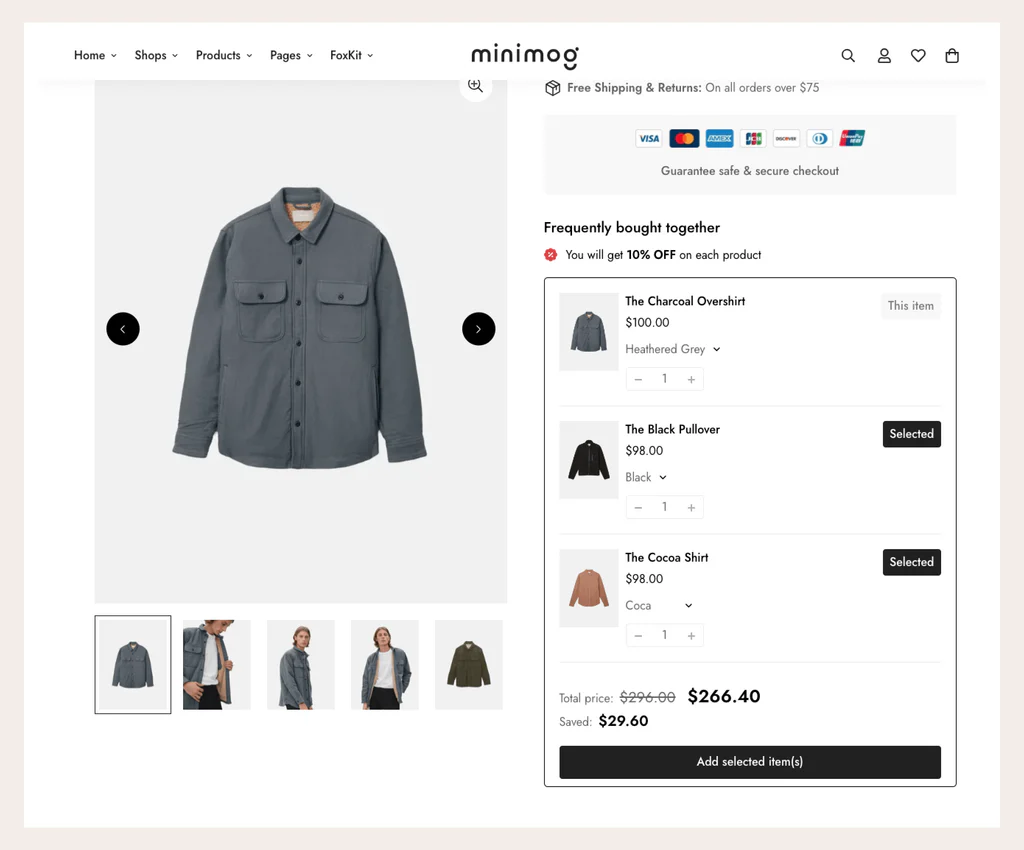
- Offer bundles (buy 2, get 1 half off)
- Suggest related products at checkout
- Use apps to automatically recommend additional items
The key is to start simple, test what works, and improve as you learn what your customers really want.
2026 D2C Trends Shaping Success [+ Case Studies]
Privacy-First Personalization
Old ways of tracking customers online don’t work as well anymore because of new privacy rules. But 71% of people still want stores to know what they like.
![2026 D2C Trends Shaping Success [+ Case Studies]](https://quotesnap.net/wp-content/uploads/2026/01/image-6-1024x537.png)
The fix? Ask customers directly through fun quizzes and surveys. Jones Road Beauty made a quiz to help people find their perfect makeup shade. People loved sharing this info because they got something useful in return. This simple quiz helped them sell $30 more per customer on average.
AI-Powered Shopping
Shopping through AI is exploding. Almost half of shoppers now use ChatGPT and similar tools to research purchases. But here’s the game-changer: people can now shop directly through AI.
Google just launched AI shopping features where people can browse products, compare prices, and even buy – all without leaving their AI chat. When someone asks about products in Google’s Gemini or AI Mode, they see real product listings, prices, and buy buttons right there.
What this means for you: Make sure your products show up when AI tools search. Keep your product info updated, write good descriptions, collect reviews, and connect your Shopify store to Google Merchant Center. AI isn’t just helping people research anymore – it’s becoming their shopping assistant.
D2C brands that show up in AI shopping results will have a massive edge over those who don’t.
Authentic Content Over Polished Ads
People trust recommendations from real customers more than fancy advertisements. Liquid Death (a water company) got 7 million followers by making funny, authentic videos instead of polished commercials.
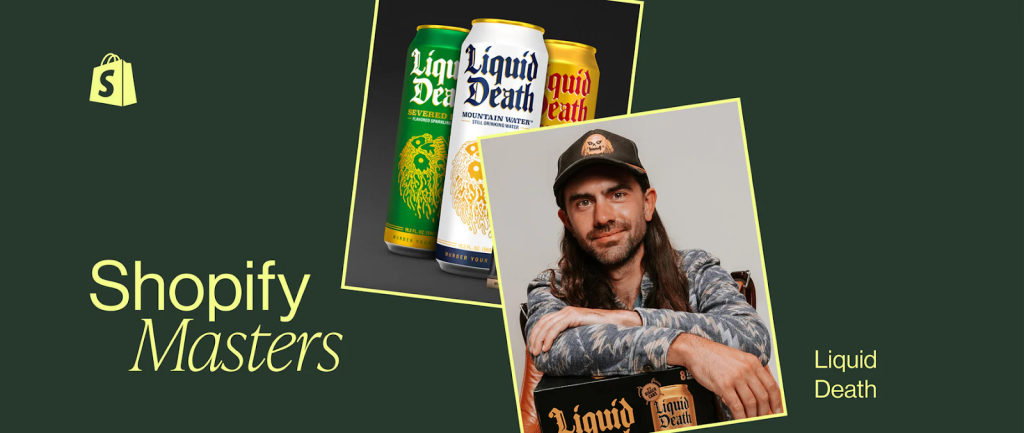
Customer photos and videos of your products work better than professional shots. Some brands even pay customers small amounts to create content featuring their products.
Affiliate Marketing Renaissance
Affiliate programs (paying people a commission for sales they bring you) are growing fast. Moonboon, a baby brand, works with over 300 people who recommend their products. This brings in $1 million per month – that’s 10% of all their sales.
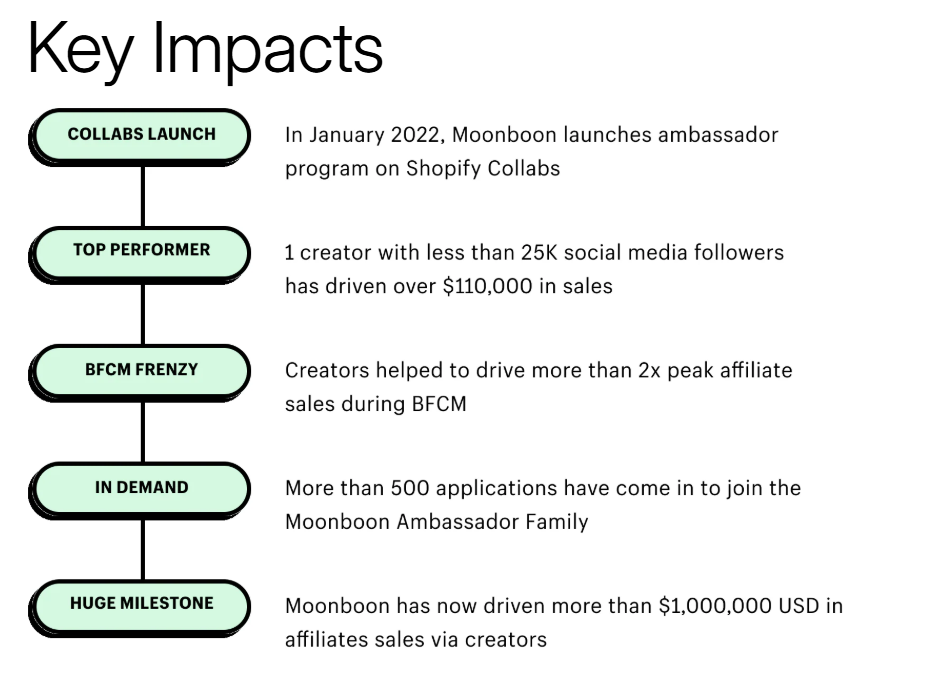
Shopify has tools like Shopify Collabs that make this easy to set up and track.
Founders as Influencers
Instead of hiring expensive influencers, many business owners are becoming the face of their brand. Aimee Smale shares her business journey on TikTok and has 200,000 followers. Her personal story helps sell her products because no competitor can copy her life story.
Budget-Conscious Consumers
Everything costs more now, so shoppers are pickier about spending. Instead of big sales that make your brand look cheap, try:
- Offering smaller sizes at lower prices
- Special deals only for repeat customers
- Flexible pricing based on demand
Customization and Exclusivity
30% of people buy directly from brands because they want something unique. Omy Laboratories does virtual skin consultations to create custom skincare. This personal approach means 95% of their sales come from their own website instead of stores.
Buy Now, Pay Later Growth
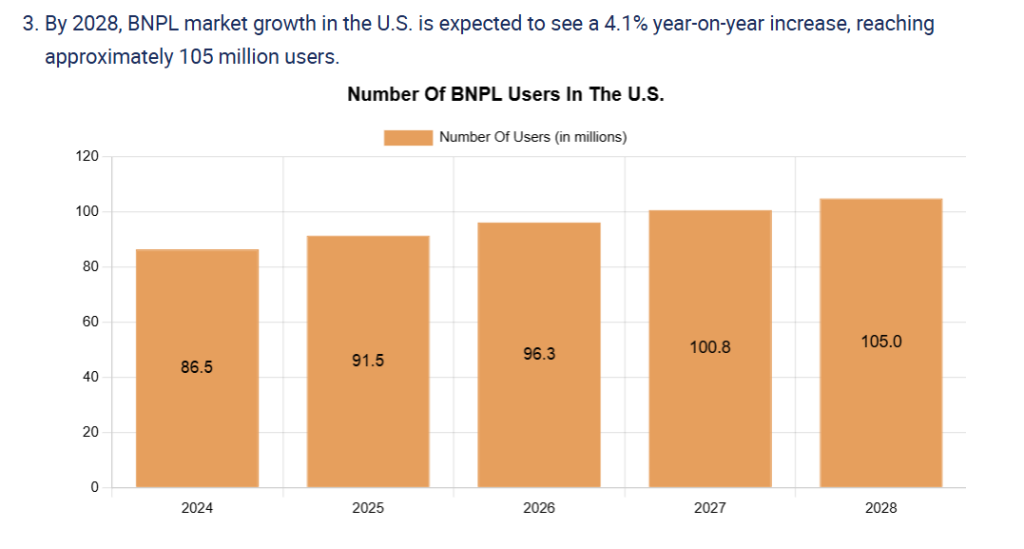
More people want to split payments into smaller chunks. During the 2024 holidays, shoppers used “buy now, pay later” for $686 million in purchases. Shopify lets you offer this option while still getting paid the full amount right away.
Gen Z Takes Charge
Gen Z makes up 25% of social media users and has more spending money than previous generations at their age. They care about convenience, expressing themselves, and authentic experiences.
Starface made pimple patches trendy by treating them like fashion accessories. They worked with young influencers to make acne treatment something people actually wanted to show off.
Looking Ahead: The Future of D2C
The direct-to-consumer model isn’t just a trend – it’s the future of retail. Success requires understanding your customers, providing genuine value, and building authentic relationships. Whether you’re launching your first product or scaling an existing brand, Shopify D2C tools provide everything needed to build lasting customer relationships and sustainable growth.
